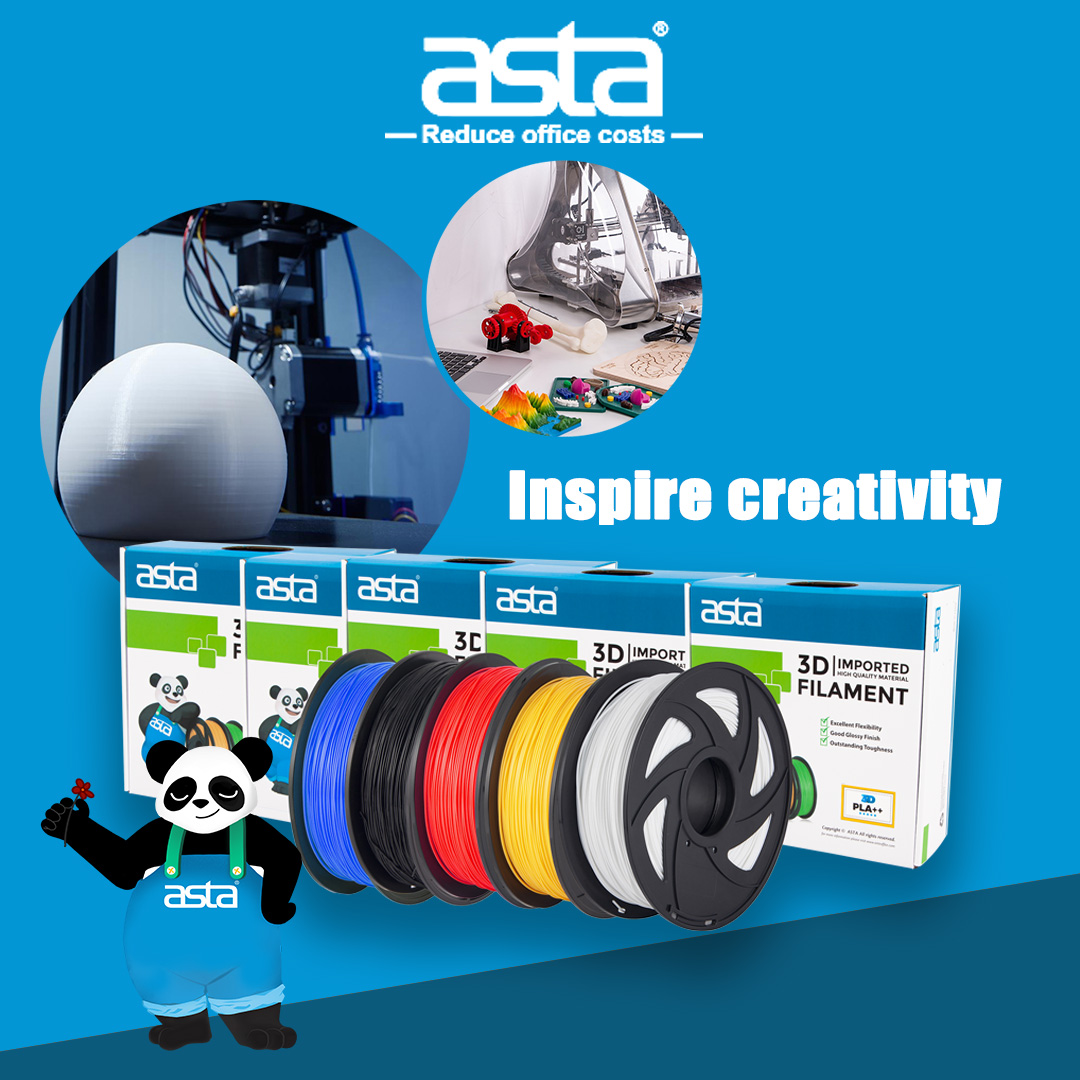
PLA vs PETG vs ABS vs TPU
A fast “use case → material” guide (for consistent results)
Choosing filament is easiest when you start from the job, not the material name.
Choose PLA when you need easy printing and clean detail
Best for: prototypes, fixtures, desk models, education
Watch out: lower heat resistance (not ideal for hot cars/outdoors)
Choose PETG when you need tougher functional parts
Best for: brackets, enclosures, parts with mild heat/water exposure
Watch out: can string—tuning helps
Choose ABS when heat resistance matters
Best for: durable parts, tooling, higher-temperature use
Watch out: warping is common; enclosure/ventilation often helps
Choose TPU when the part must flex
Best for: bumpers, grips, gaskets, shock-absorbing parts
Watch out: prints slower; feeding setup matters
3 questions to decide in seconds
- Just prototypes or decorative parts? → PLA
- Toughness with easy printing? → PETG
- Heat resistance required? → ABS
- Needs flexibility? → TPU
For distributors, “strong layers / tough parts” comes down to one practical thing: consistent filament feeding (stable diameter, clean winding, controlled moisture) plus the right settings. That’s why many partners look for a supply system like ASTA’s consistent 3D filament program, where material choice is paired with clear application guidance—so customers get consistent results, not trial-and-error.