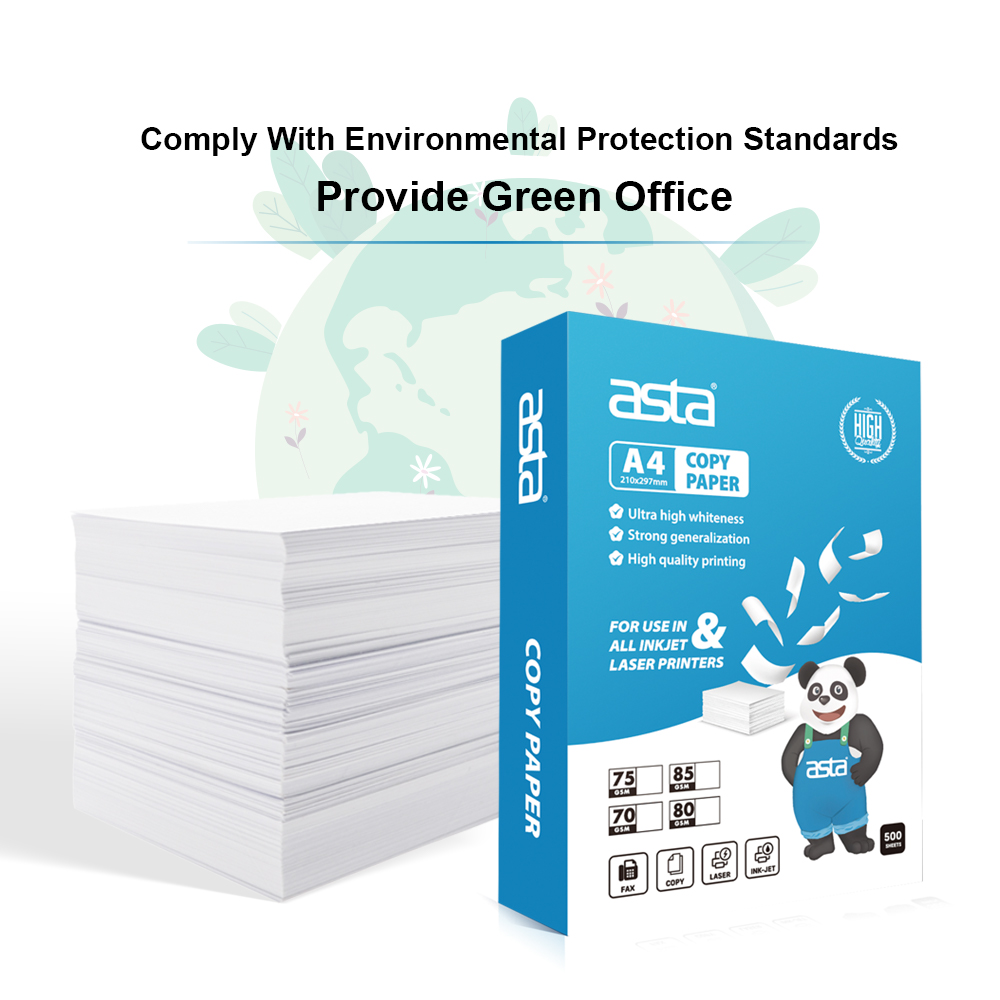
How to Choose Copy Paper
70gsm vs 75gsm vs 80gsm vs 100gsm—what to use where
Paper weight (gsm) affects print clarity, jam risk, duplex performance, and cost. Use this quick guide to choose the right paper for each office scenario.
70gsm — lowest cost for light, single-sided use
Best for: drafts, internal notes, high-volume simple text
Watch out: more see-through, more curling in humidity, weaker duplex results
75gsm — budget-friendly “daily use” upgrade
Best for: routine office printing, internal reports
Why: slightly better stiffness and fewer curl issues than 70gsm
80gsm — the office standard for most businesses
Best for: invoices, reports, contracts, everyday duplex
Why: better opacity + smoother duplex + generally fewer feed issues
100gsm — premium feel and better color/graphics
Best for: client-facing documents, proposals, color charts, presentations
Watch out: choose the correct Paper Type setting (some printers need “Thick”)
Many people blame the paper first, but the most common issue is a mismatch: for example, using 100gsm paper with “Plain Paper” settings, or running humid paper through heavy duplex jobs. When you align paper weight + paper type settings + use case, print results become noticeably more stable. In channel support, ASTA also focuses on these practical selection rules to help partners deliver a more predictable printing experience.