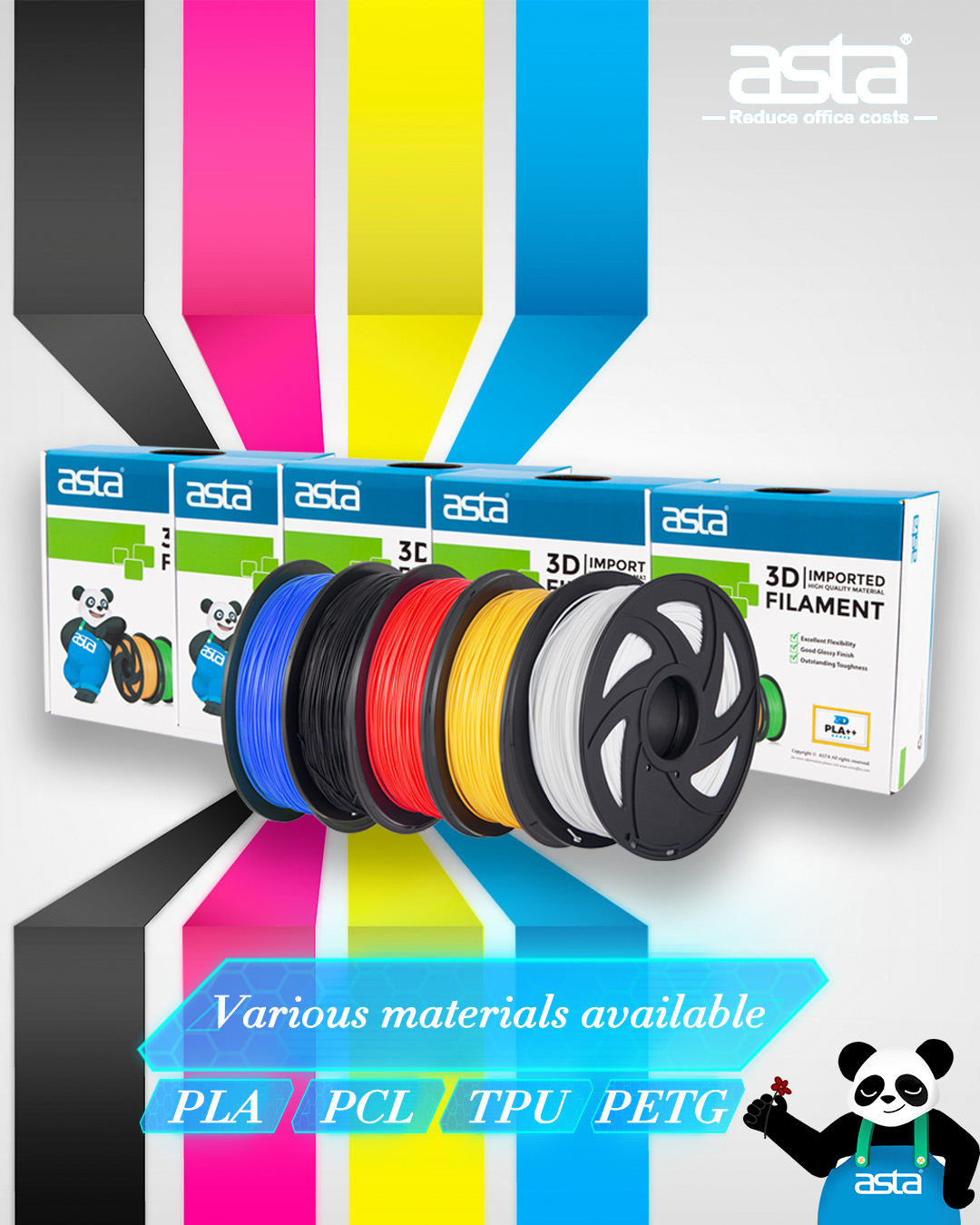
3D Filament Diameter Tolerance: Why 1.75mm Consistency Matters
Small diameter changes can create big printing problems
In 3D printing, filament consistency is not just a “nice detail.” If the filament diameter changes too much, the printer may push out too much or too little material, causing weak layers, rough surfaces, stringing, or nozzle jams.
1. What is filament diameter tolerance?
Most common desktop 3D printers use 1.75mm filament.
Diameter tolerance means how much the real filament thickness can vary from that standard.
For example:
If a filament is labeled 1.75mm, but some sections are thicker or thinner, extrusion may become unstable.
2. Why does diameter consistency matter?
The printer calculates how much filament to feed based on expected diameter.
If the filament is uneven:
- thicker sections may cause over-extrusion or nozzle pressure
- thinner sections may cause under-extrusion or gaps
- sudden changes may create inconsistent layers
- extreme variation may increase clogging risk
In short: stable diameter helps the printer produce stable layers.
3. Common signs of poor diameter consistency
You may notice:
- uneven wall thickness
- rough or wavy surfaces
- weak layer bonding
- random gaps in the print
- clicking sounds from the extruder
- inconsistent flow even with the same settings
If the same printer and settings work well with one spool but poorly with another, filament consistency may be part of the problem.
4. What should distributors care about?
For distributors and B2B buyers, diameter tolerance affects more than print quality. It affects customer satisfaction, repeat orders, and after-sales workload.
A good 3D filament supply should focus on:
- stable diameter control
- clean and even winding
- moisture-controlled packaging
- batch consistency
- clear material guidance
This is why many partners value ASTA’s 3D printing filament supply approach: it focuses not only on material type, but also on consistency, packaging, and predictable printing performance across batches.
Quick takeaway
When customers complain about random gaps, rough surfaces, or unstable extrusion, don’t only check printer settings.
Also check one basic factor: is the filament diameter consistent?