Why Do the Same Toner Cartridges Have Different Prices?
What’s behind the price gap?
When buyers compare toner cartridges, the cheapest option is not always the most cost-effective. The real difference often comes from materials, production control, testing, and after-sales support.
1. Different components create different costs
A toner cartridge is not just toner powder.
Key components include:
- drum unit quality
- toner formulation
- blade and roller materials
- chip compatibility
- sealing and packaging
Small differences inside can affect print quality and lifespan.
2. Quality control changes the final result
Two cartridges may look identical outside but perform differently because of:
- different production processes
- different testing standards
- inconsistent components between batches
Good quality control focuses on stable output, not only appearance.
3. The cheapest price may create hidden costs
A lower purchase price can become more expensive through:
- higher return rates
- customer complaints
- reprints and wasted time
- unstable repeat orders
For distributors, the real cost is not only buying price—it is the total cost after delivery.
4. What should buyers compare?
Before choosing a supplier, check:
✓ Print performance consistency
✓ Batch traceability
✓ Compatibility testing
✓ Packaging protection
✓ Replacement policy
A reliable toner program should make customers feel confident after installation, not uncertain.
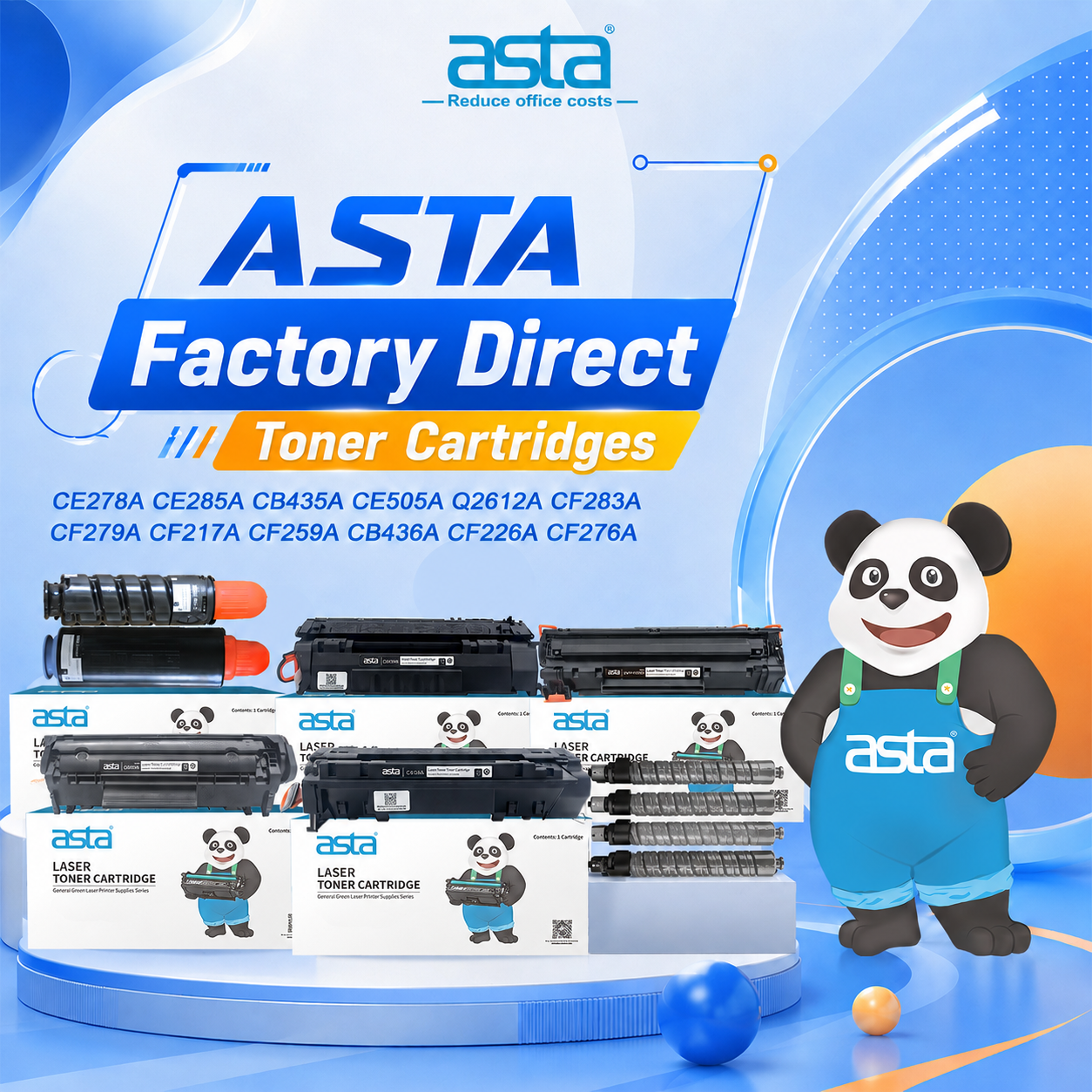
This is why many distributors choose suppliers like ASTA, where compatible toner cartridges are supported by quality control, batch management, and channel-focused service to help partners build long-term repeat business.